




Titanium Dental Implants: The Superior Choice Over Zirconium Implants
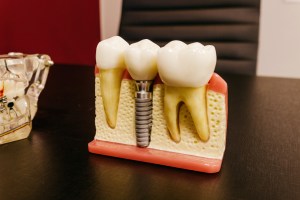
When it comes to replacing missing teeth, dental implants have revolutionized the field of dentistry, offering a durable and long-lasting solution. Among the various materials available for dental implants, titanium and zirconium are two popular options. However, a careful examination reveals that titanium implants stand out as the superior choice due to their proven track record of success and durability.
Titanium Implants: The Gold Standard
Titanium has long been regarded as the gold standard in dental implant materials, and for good reason. It boasts exceptional strength, bio-compatibility, and corrosion resistance, making it an ideal choice for dental implantation. Titanium implants have been extensively studied and have consistently demonstrated high success rates, with a low risk of complications such as implant failure or bone loss.
Advantages of Titanium Implants:
- Superior Strength: Titanium implants are renowned for their remarkable strength, providing stability and support for prosthetic teeth.
- Biocompatibility: Titanium is biocompatible, meaning it is well-tolerated by the human body and does not trigger adverse reactions or immune responses.
- Proven Success: Titanium implants have a long history of clinical success, with decades of research supporting their efficacy and reliability.
- Corrosion Resistance: Titanium implants are highly resistant to corrosion, ensuring their longevity and durability within the oral environment.
Zirconium Implants: Limitations and Risks
While zirconium implants have gained attention as an alternative to titanium, they come with certain limitations and risks that make them less desirable for dental implantation. Zirconium implants have been associated with a higher risk of fractures and complications, raising concerns about their long-term reliability and performance.
Challenges of Zirconium Implants:
- Fracture Risk: Zirconium implants have a higher likelihood of fractures compared to titanium implants, potentially compromising their structural integrity and longevity.
- Limited Clinical Data: Unlike titanium implants, zirconium implants lack extensive long-term clinical data to support their efficacy and safety.
- Uncertain Performance: The lack of robust evidence regarding zirconium implants raises questions about their reliability and long-term performance in clinical practice.
Allergies and Compatibility: Another crucial aspect to consider is the potential for allergies and compatibility with implant materials. While titanium allergies are rare, affecting less than 3% of patients, zirconium implants do not guarantee immunity to adverse reactions. Furthermore, determining titanium allergies typically requires a simple blood test, allowing for early detection and appropriate management.
In the realm of dental implantology, the choice between titanium and zirconium implants is clear: titanium emerges as the superior option due to its unmatched strength, bio-compatibility, and proven track record of success. With a lower risk of complications, including fractures, and the rare occurrence of allergies, titanium implants offer patients a reliable and durable solution for restoring their smiles and oral function. As clinicians continue to prioritize patient outcomes and long-term success, titanium remains the gold standard in dental implant materials.