




Advancements in Dentistry: The Role of Resorbable Dental Sutures
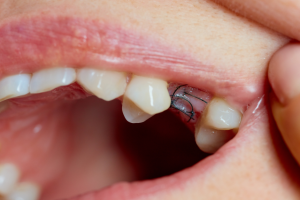
In the realm of modern dentistry, technological advancements continue to revolutionize patient care and treatment outcomes. One that has gained significant attention is the utilization of resorbable dental sutures. These sutures offer numerous advantages over traditional non-resorbable sutures, contributing to enhanced healing, reduced patient discomfort, and improved overall post-operative experiences.
Understanding Resorbable Dental Sutures
Resorbable dental sutures are biocompatible materials designed to facilitate wound closure following various dental procedures, including extractions, periodontal surgeries, and soft tissue grafting. Unlike non-resorbable sutures, which require removal after a certain period, resorbable sutures degrade naturally within the body over time, eliminating the need for a second visit to the clinic to have them removed. The sutures used at Goodness Dental typically dissolve within 3-4 weeks after your surgery.
Composition and Properties
These sutures are typically made from biodegradable polymers such as polyglycolic acid (PGA), polylactic acid (PLA), or their copolymers. These materials offer excellent tensile strength and flexibility, allowing for secure wound closure while minimizing tissue trauma. Additionally, resorbable sutures are often coated with materials such as calcium stearate or polycaprolactone to enhance their placement as well as knot security.
Benefits of Resorbable Dental Sutures 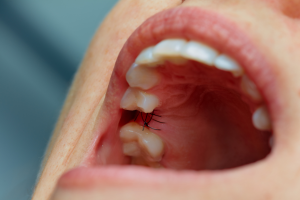
- Reduced Patient Discomfort: The absence of a second suture removal appointment eliminates discomfort and anxiety for patients, enhancing overall satisfaction.
- Improved Healing: Resorbable sutures gradually degrade within the body, reducing the risk of suture-related complications such as infection or tissue irritation. This promotes optimal wound healing and tissue regeneration.
- Convenience for Clinicians: Dentists benefit from the convenience of using resorbable sutures, as they eliminate the need for suture removal appointments, saving time and resources.
- Minimized Risk of Suture-Related Complications: Resorbable sutures minimize the risk of complications associated with retained non-resorbable sutures, such as inflammation, infection, or suture granulomas.
Applications in Dentistry
Resorbable dental sutures find widespread use across various dental specialties, including oral surgery, periodontics, and implantology. Common applications include:
- Extractions: Resorbable sutures are used to close extraction sockets, promoting hemostasis and facilitating socket preservation.
- Periodontal Surgery: These sutures aid in securing flaps and grafts during periodontal procedures, promoting tissue healing and regeneration.
- Implant Placement: Resorbable sutures are utilized to stabilize soft tissue around dental implants, facilitating proper tissue integration and esthetic outcomes.
Resorbable dental sutures represent a significant advancement in dental practice, offering numerous benefits over traditional non-resorbable sutures. From enhanced patient comfort to improved wound healing and clinician convenience, the utilization of resorbable sutures continues to reshape the landscape of modern dentistry. As research and development efforts progress, these sutures are poised to play an increasingly integral role in promoting optimal patient outcomes and advancing the field of dental surgery.